Recycling Rubble
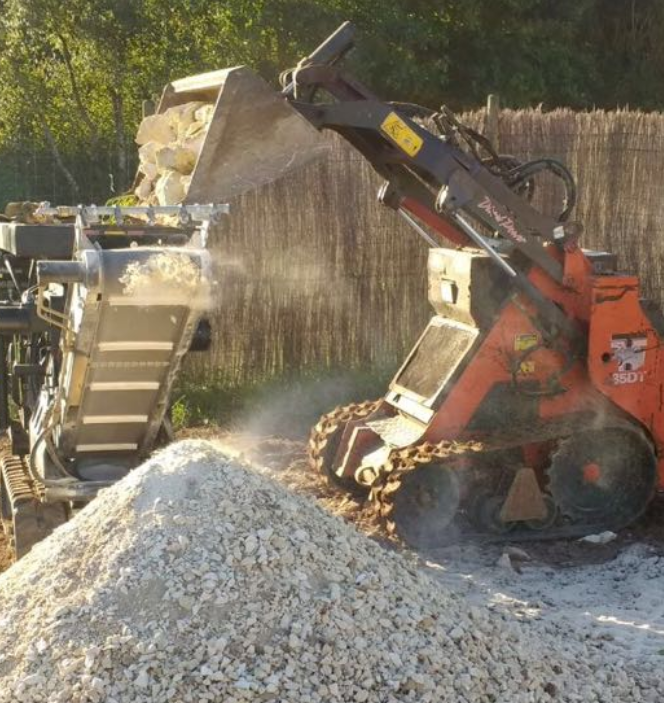
Using a Jaw Crusher Machines on any projects gives you the ability to recycle, and reduce the majority of bulky waste materials on site – Items that quickly bulk out skips, leading to high costs in skip hire!
A lot of materials can be also reused on site or once processed can be passed on to a third party for use. Being creative with your waste produce could eliminate your waste costs and make you almost 100% environmentally sustainable
Below are some of the materials that you can process through our machines. For more details on what you can do with your recycled waste products see our other sustainability pages.
CRUSHING
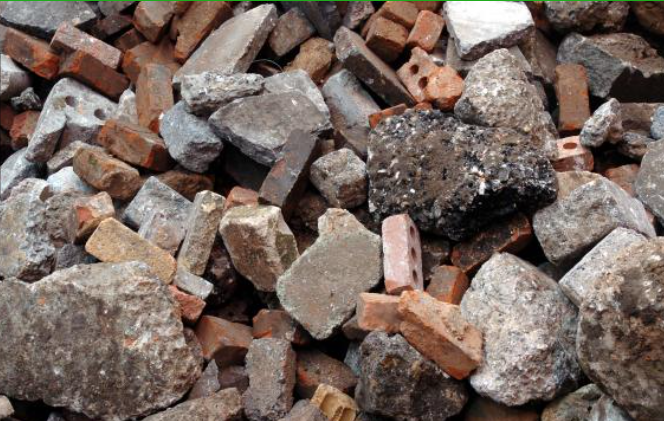
Using any of our crushers reduce your waste concrete and concrete blocks to use as Type1/MOT. Or you could just reduce it to around 70mm for use as a backfill or tidy up mud ridden farm/equestrian tracks.
Concrete processes through our crushers at an excellent rate due to its medium to high density. You get the right balance between the hardness of the material and its ability to easily crack and break down.
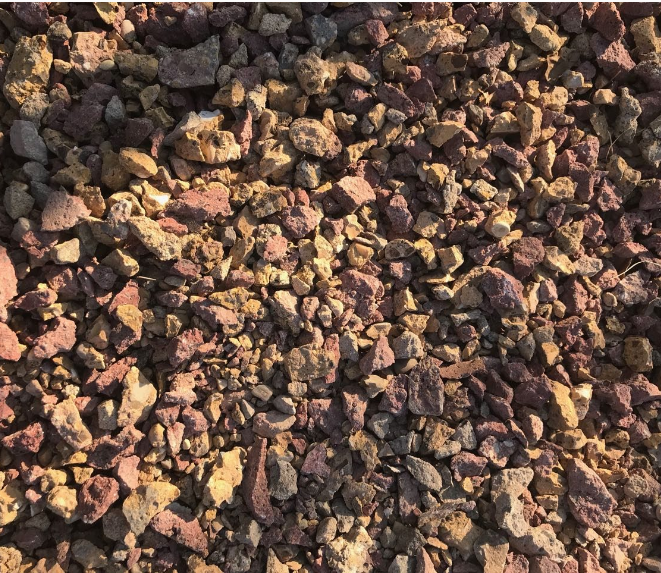
RockBluestone, granite, limestone and other extremely hard types of rock can be crushed to produce a decorative stone for gardens and driveways, or again as a Type1.
Due to the hardness of these rocks they will shatter and process through the crusher very quickly, but obviously you will see increased wear of jaw plates compared to concrete.
BricksCrushing bricks again creates a Type1/MOT base layer product.
Bricks can vary in throughput speed. New bricks or generally tougher bricks will break down at as good a speed as concrete. Extremely old wet bricks will take longer due to the softness, although this speed can be increased by mixing with harder rubble or more downward weight.
Stacks of old or broken clay and concrete roof tiles will crush at a phenomenal rate to give you a Type1/MOT.Paving Blocks & SlabsPaving blocks and paving slabs are generally made from very dense material so produce an excellent Type1/MOT, decorative stone and backfill.
This high density means they shatter to throughput quickly in the crusher but can increase wear on jaw plates.
Asphalt can be crushed to be reused as part of a mix to create a new road surface and pothole filler.
Due to its softness asphalt will crush at a much slower rate than other materials, using a fine water spray will help speed things up and stop it sticking in warmer conditions.
SHREDDING
Plasterboard was the initial reason for the development of our shredder. It was realised that the gypsum in plasterboard, once mixed at landfill with sulphurous based waste has the potential to release a toxic and environmentally damaging gas. Plus, gypsum being such a reusable and recyclable product it should not be sent to landfill.
Please see our sustainability page on plasterboard for more info.
Various forms of solid insulation sheets can be processed through our shredders, which will be dragged through by its own accord pretty rapidly.
There are possibilities of recycling this material however the simplest is to dramatically reduce the volume that it takes up in the skip.
There is a good range of plastics the shredder can handle; Fascia boards, plug sockets, guttering, bottles, piping that is below 100mm in diameter (if over cut to a half pipe). These can then be sent onto a plastic recycling to help reduce the damage plastic is causing. Also you can reduce the volume that bulks out skips.SlatesSlates are by far one of the quickest materials to process through the shredder. You will get a product that can be used as a decorative stone, tower we recommend running it through a trommel to remove any sharp edges.
Asphalt can be crushed to be reused as part of a mix to create a new road surface and pothole filler.
Shredding thinner layers of asphalt (below 120mm in thickness) reduces it at a quicker rate than crushing it.
ShellsOyster and scallop shells can be shredded to be used in a variety of different applications. If fed into the machine in a smooth and consistent fashion, shells will process very quickly giving an excellent and useful product
Offcuts from branches can be shredded to produce a kindling size product.